
 CN
 EN
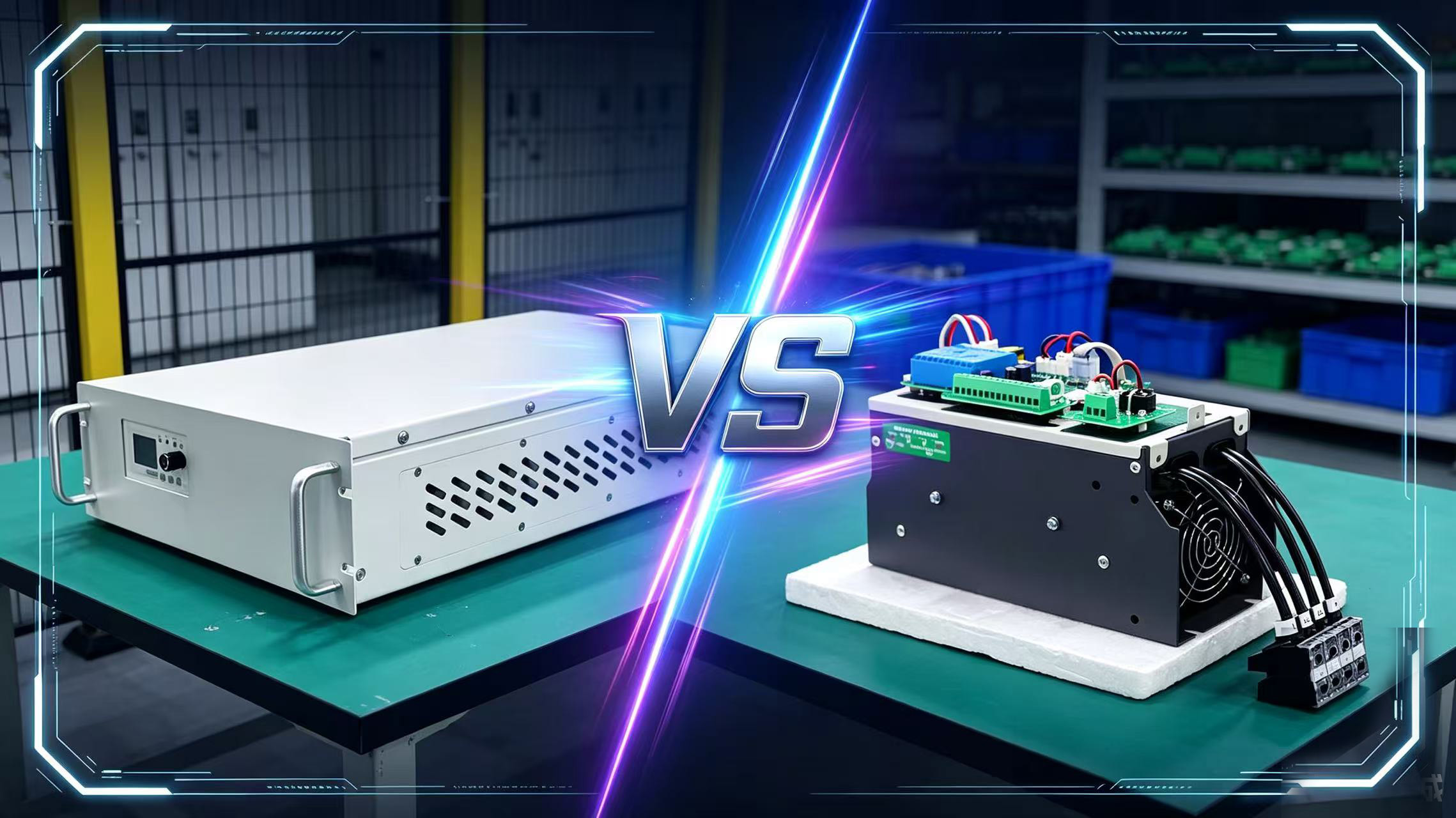
In industrial drying, curing, heat treatment, kiln heating, electric load temperature control and other scenarios, transformers and power regulators are common electrical accessories for heating systems. Both can be connected into electric heating loops to supply power for heating loads, yet they are completely different electrical units in terms of equipment attributes, working logic and core purposes.
In most working conditions, the two devices can be used independently. For some complex scenarios, they can also be used in combination. To build a reasonably matched temperature control electrical system, it is essential to clarify the essential differences between power regulators and transformers, as well as their respective functional boundaries and applicable ranges. Focusing on objective comparison, this article distinguishes the two types of equipment in all aspects including principles, functions, operating features and scenario adaptation, and offers standardized equipment selection ideas.
1. Basic Equipment Attributes and Core Positioning Differences
From the perspective of electrical classification and basic positioning, the two devices serve different purposes, which is the root of all distinctions.
1.1 Industrial Transformer: Power Voltage Matching Equipment
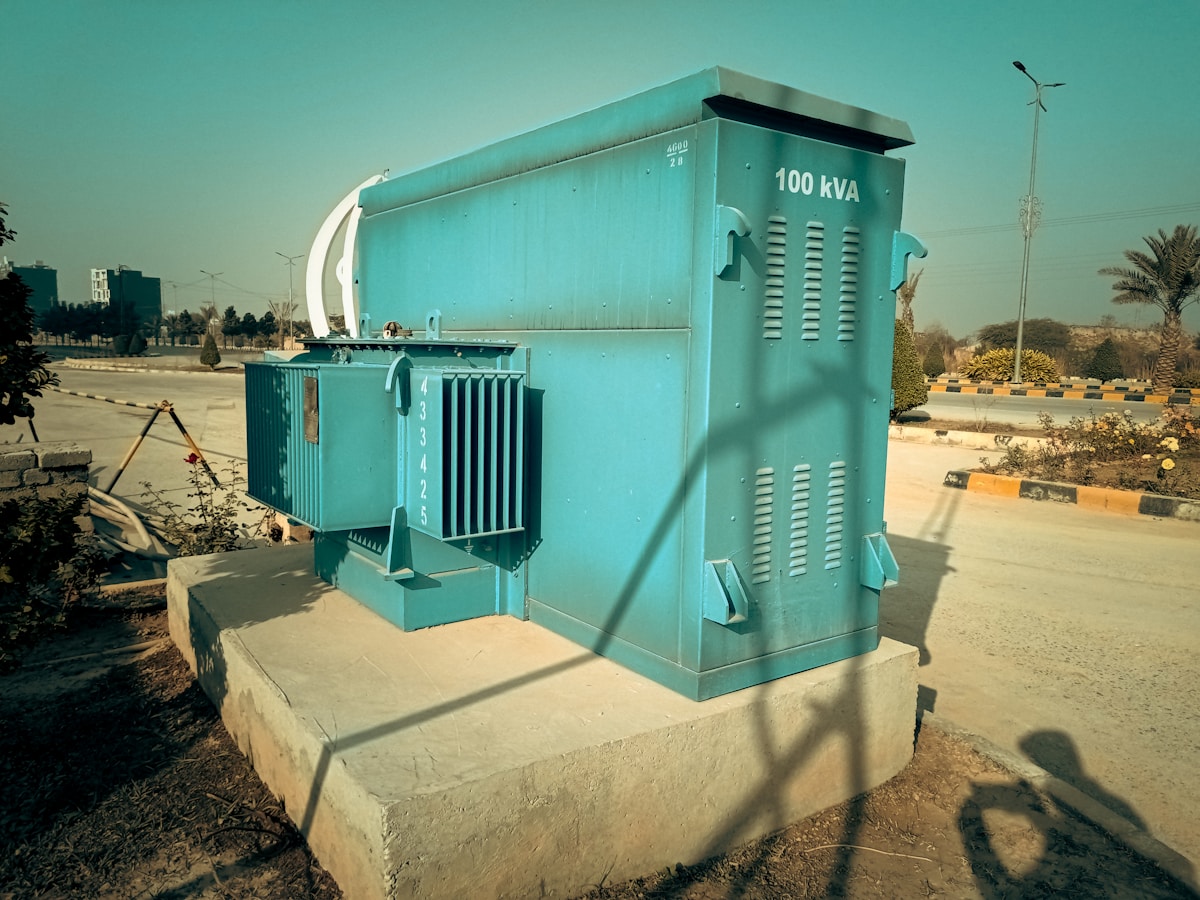
A transformer is a static power matching device, with core positioning of voltage conversion and electrical isolation. Working based on the principle of electromagnetic induction, its main function is to convert input grid voltage into the rated voltage required by the load, and realize electrical isolation to improve the safety of circuit power consumption.
The output voltage of a transformer remains relatively fixed during operation. It has no dynamic adjustment capability, does not receive temperature signals, and does not participate in process temperature control logic. It is only responsible for power transmission and voltage matching.
1.2 Industrial Power Regulator: Power & Temperature Control Regulation Equipment

A power regulator, also known as an SCR power controller, is an industrial automation temperature control regulation device. Its core positioning is dynamic power regulation and constant temperature control. According to feedback from temperature controllers and real-time load status, the device can dynamically adjust output voltage and power to realize constant temperature, stable power and smooth output control for heating systems.
Instead of changing the basic voltage level, the power regulator performs stepless power regulation on the existing voltage. It acts as the core regulating actuator of the whole heating and temperature control system.
2. Differences in Core Working Principles and Operation Logic
The difference in working mechanisms between the two devices directly determines their different performance in temperature control systems.
2.1 Operation Logic of Transformer
The transformer completes voltage step-up or step-down through electromagnetic coupling of primary and secondary coils, which belongs to passive power transmission equipment. Once selected and finalized, its output voltage stays basically constant. It will not automatically adjust the output state with temperature changes or load fluctuations, and supplies stable rated voltage to the load throughout operation.
2.2 Operation Logic of Power Regulator
The power regulator works relying on thyristor switching devices and closed-loop control algorithms, and is an active intelligent regulation device. By collecting real-time voltage, current and temperature signals, it dynamically changes the firing angle and output proportion to achieve continuously adjustable power. It can fulfill various control logic such as temperature rise, constant temperature, voltage stabilization and soft start buffering according to process requirements.
3. Detailed Differences in Functional Characteristics and Operating Performance
Combined with the operating status of industrial heating, the differentiated features of the two devices are clarified from four dimensions: function, temperature control adaptability, load adaptability and operating characteristics.
3.1 Difference in Regulation Function
The transformer has no regulation function with fixed output parameters, and only realizes voltage matching and circuit isolation. The power regulator integrates complete functions including power regulation, constant voltage & constant current, soft start and overload protection, and can adapt to dynamically changing process production demands.
3.2 Difference in Temperature Control Adaptation
The transformer cannot connect to temperature signals or achieve constant temperature control. Its heating power fluctuates naturally with grid and load conditions. The power regulator can form a closed-loop system together with thermocouples and temperature controllers, continuously correcting output power to maintain stable temperature, and adapting to refined temperature control processes.
3.3 Difference in Load Adaptation
The transformer is suitable for electric heating loads requiring fixed voltage, mainly solving the problem of voltage mismatch. The power regulator applies to dynamic heating loads that require frequent temperature adjustment, staged heating and constant temperature maintenance, adapting to multi-working-condition and multi-process production scenarios.
3.4 Difference in Energy Consumption and Operation
Under power supply mode with a transformer, the load basically runs at full power and the output power cannot be adjusted on demand. The power regulator can automatically reduce and stabilize power according to temperature thresholds to realize on-demand output, fitting the needs of energy-saving production and operation.
4. Applicable Working Conditions for the Two Types of Equipment
Based on the above functional differences, the two devices have their respective applicable ranges in industrial heating scenarios. Matching schemes vary with different process requirements.
4.1 Applicable Scenarios for Transformers
Suitable for basic heating scenarios with mismatched voltage levels, requirements for electrical isolation and no need for dynamic adjustment of process temperature. The equipment mainly operates in fixed-power heating, long-term constant temperature heat preservation and auxiliary heating. There are no special requirements for temperature precision and dynamic regulation, and only stable power supply is needed.
4.2 Applicable Scenarios for Power Regulators
Suitable for industrial heating scenarios requiring staged temperature rise, precise constant temperature, controllable power and high process stability, including drying and curing, high-temperature sintering, heat treatment, vacuum heating, multi-zone temperature control, precision electric heating processing and other working conditions. Dynamic power regulation is adopted to guarantee process consistency.
4.3 Combined Application Scenario: Transformer + Power Regulator
For scenarios with low-voltage high-current loads, non-standard voltage loads and high-precision heating equipment, the combined supporting method can be adopted. The transformer completes voltage conversion and electrical isolation to provide compliant operating voltage for the system; the power regulator carries out high-precision power regulation and constant temperature control at the rear end. This solution takes both power consumption safety and process precision into account, and serves as a conventional supporting scheme for high-end industrial temperature control.
Summary
Overall, power regulators and transformers are two types of independently positioned and functionally complementary equipment in industrial temperature control systems. Transformers focus on voltage adaptation and safety isolation at the power supply side, serving as basic power supply accessories. Power regulators focus on power regulation and temperature control at the process side, acting as core actuators for refined temperature control.
There is no functional overlap or substitution relationship between them, and they adapt to different production working conditions. Transformers can be selected for simple fixed-power heating and voltage matching scenarios. Power regulators are the priority for scenarios requiring dynamic temperature adjustment, precise temperature control and stable processes. Combined supporting mode can be adopted for non-standard voltage and high-precision complex working conditions to fully utilize the functional advantages of both devices and meet diverse production demands of industrial heating.


 Online
 Tel